The Maison Method
A maison that practises one art owes its guests a method, and ours is written down. Four movements, always in the same order — because the order is not tradition. It is engineering.
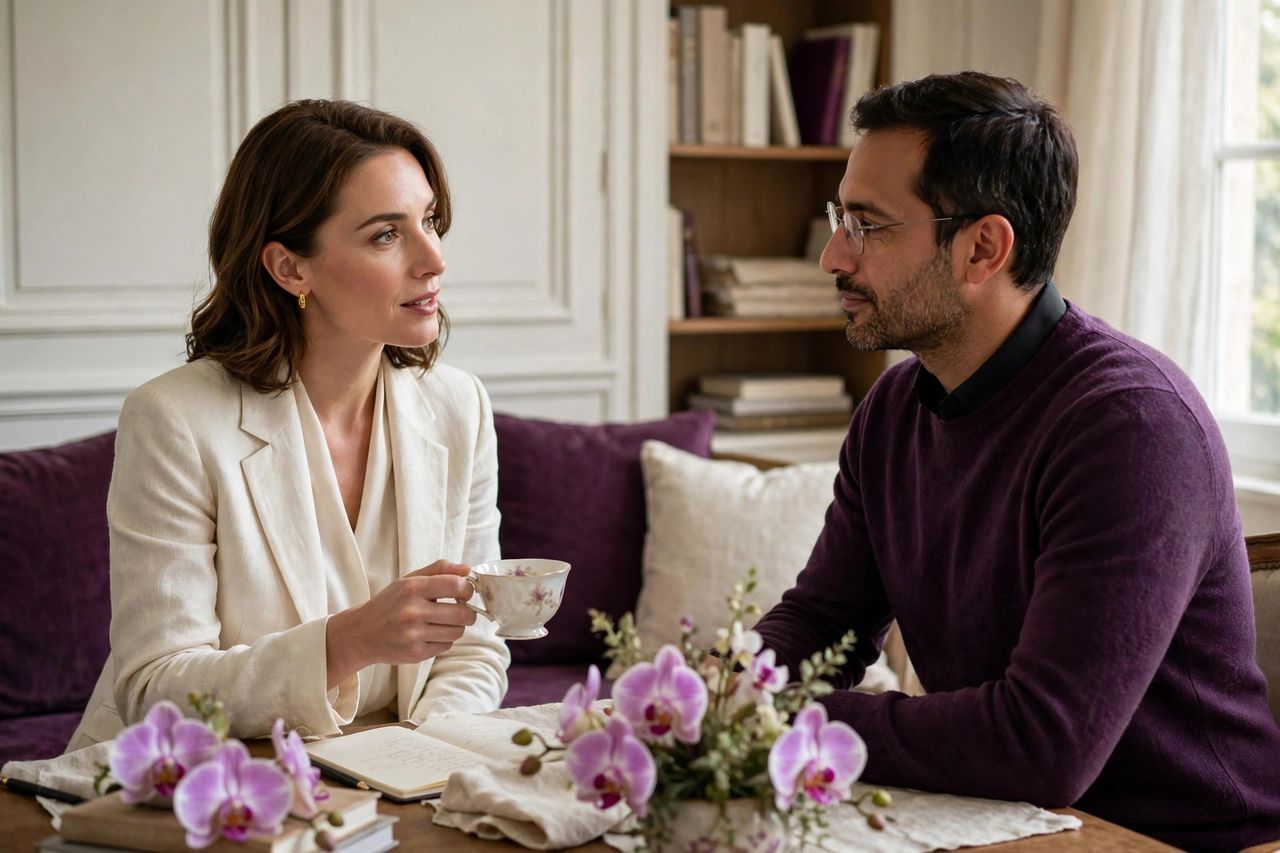
The first movement is the conversation. Tea is served; the guest states her boundaries, her history with the practice if she has one, and what she is hoping the ritual will do. The practitioner repeats it back. This is not ceremony: a body cannot surrender to a session it has not first understood, and the maison has never found an exception.
The second movement is the approach — an hour, in the longer rituals, of warmth and attention given to everything else first: shoulders, back, hips, thighs, the backs of knees. Guests sometimes ask whether this can be shortened. It cannot, because the approach is where the nervous system files its evidence that nothing will be taken. The centre attended to without that evidence is a different, lesser practice, and it is not practised here.
The third movement is the centre itself — attended to with warm oil, patience, and the same reverence the approach gave her shoulders. Her responses conduct. There is no sequence being executed on her; there is attention, answering. The maison trains its practitioners in the discipline of following rather than leading, and it is the hardest discipline in the building.
The fourth movement is aftercare: stillness, water, a warmed robe, and time that is not measured. What was opened is closed gently. Guests leave at walking pace, and the maison counts the slowness of their leaving among its quality measures.
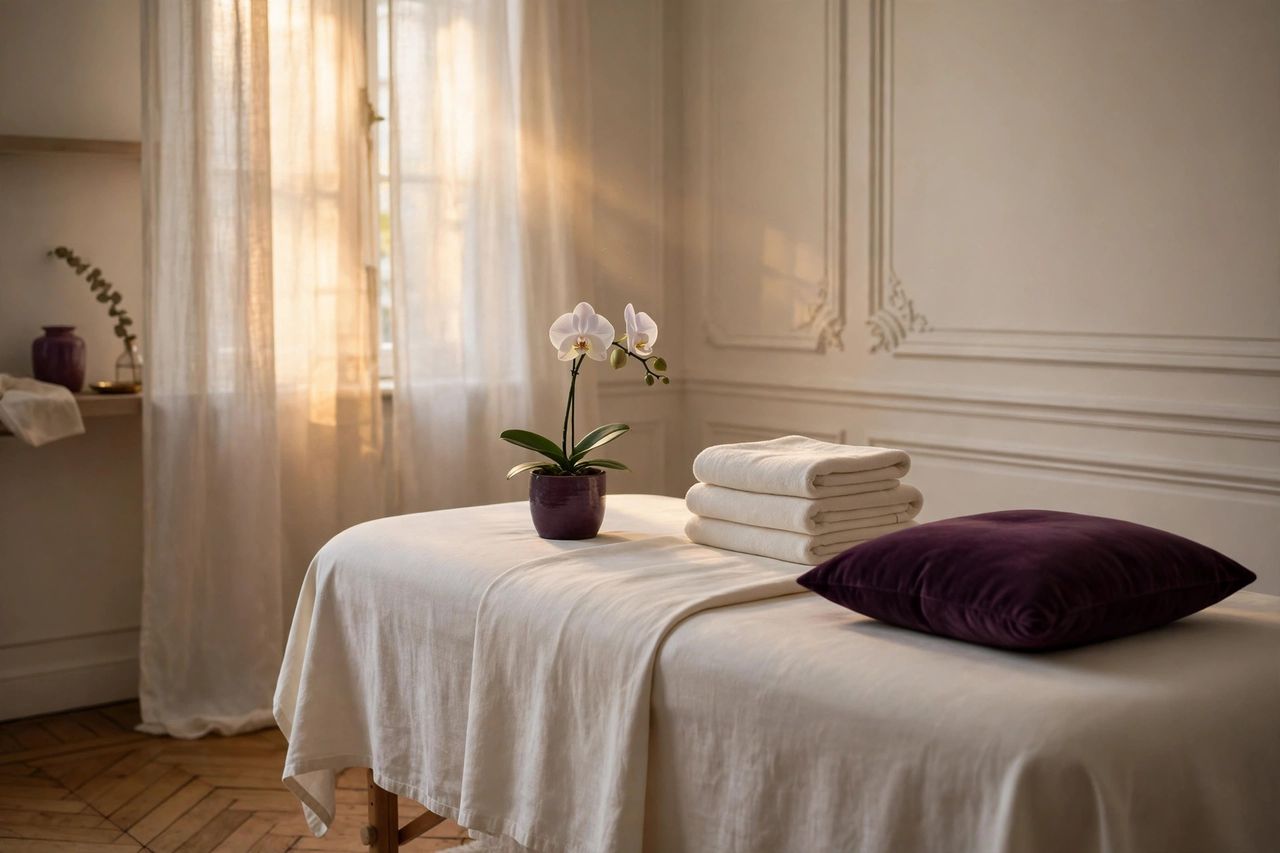
Four movements, one art. The method is the maison's promise that a guest in Las Vegas receives the practice a guest in Los Angeles receives — the same patience, the same order, the same reverence — because a method, unlike a mood, can be kept.